
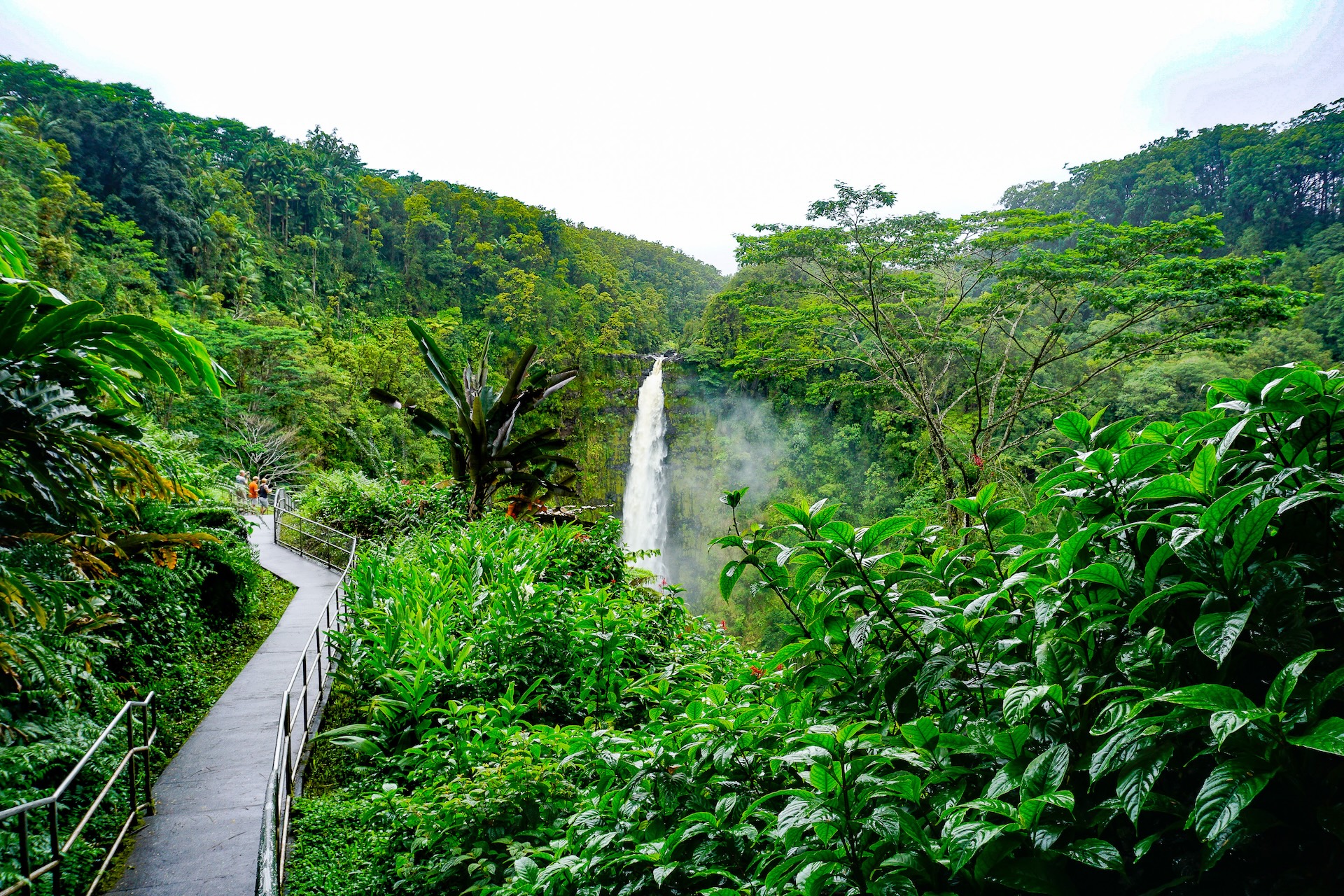
The image of swimming beneath a powerful waterfall on the Big Island is undeniably captivating, drawing visitors seeking that quintessential Hawaiian experience. The short answer: yes, you can swim in Big Island waterfalls, but with crucial caveats. Not all falls are accessible, and many carry inherent risks or are located on private land.
Our focus at High-End Hawaii is ensuring you experience the island's natural splendor safely and authentically. We'll navigate the realities of waterfall swimming, highlighting opportunities for those refreshing dips while underscoring important safety considerations. The goal is an unforgettable encounter with these natural wonders, not an unplanned adventure.
The Allure and The Reality: Why Not All Falls Are Swimmable
Big Island waterfalls are primarily found along the Hāmākua Coast and in the northern Kohala region, where consistent rainfall carves dramatic gulches. While visually stunning, many plunge directly into rocky, shallow pools, are situated in remote, difficult-to-access areas, or are part of protected ecological reserves where entry is prohibited to preserve fragile ecosystems. Water levels can fluctuate rapidly, transforming a gentle cascade into a powerful, dangerous torrent after heavy rains.
Safety is paramount. "Flash flood" is not just a term; it's a real and present danger in these environments. The water can also carry leptospirosis, a bacterial disease, especially after heavy rainfall when runoff from agricultural areas is higher. Therefore, while the idea is romantic, informed caution is essential.
Where You Can (Safely) Swim: Specific Opportunities
Despite the caveats, several spots offer safe, enjoyable swimming experiences. These are often less powerful cascades or pools specifically designed or managed for visitor interaction.
Umauma Falls Experience
- Location: Off Highway 19, north of Hilo.
- Access: This is a privately owned and managed attraction. No public, free access to the falls themselves.
- Swimming: Available as part of guided tours (zip-lining, ATV, or general garden tours) that include a dedicated, controlled swimming area at the base of smaller, accessible falls or at calmer river sections. The focus here is on a robust adventure park experience. This offers a highly controlled and safer environment for getting into the water, though it comes with an entrance fee.
Kulaniapia Falls
- Location: Near Hilo, accessed via a private road.
- Access: This 120-foot waterfall is on private property associated with The Inn at Kulaniapia Falls. Day passes are sometimes available, but booking a stay at the inn guarantees access.
- Swimming: Guests can swim in the large, deep pool at the base of the falls. The inn provides clear guidelines and safety information. This offers a very exclusive and tranquil experience, often without crowds.
Local Swimming Holes (Use Caution)
Locals often know of smaller, less-known cascades and swimming holes, particularly in the Hilo and Puna districts. These are typically not signposted for tourists and may involve navigating unmarked trails or private property. If considering these:
- Always seek local advice: But be respectful if a spot is considered sacred or private.
- Assess conditions: Look for strong currents, deep eddies, or murky water. If in doubt, stay out.
- Never jump: Unless you've personally confirmed the depth and checked for submerged hazards.
The Experience: What to Expect
Swimming in a Big Island waterfall is a sensory experience. The water is often refreshingly cool, a stark contrast to the tropical air. The sound of the falling water is immersive, and the lush, green surroundings create a sense of being truly enveloped by nature. Depending on the location, you might share the space with a handful of others or have a semi-private encounter. The pools can be rocky underfoot, so water shoes are highly recommended.
Consider bringing:
- Water shoes or sturdy sandals with good grip
- A waterproof bag for electronics
- Towel and change of clothes
- Snacks and water (pack out everything you pack in!)
- Sunscreen (reef-safe, please)
- Insect repellent, especially for jungle-flanked trails
Safety First: Essential Considerations
Your well-being is paramount. We cannot overstate the importance of these points:
- Water Conditions After Rain: Heavy rainfall significantly increases water levels and current strength, making swimming extremely hazardous and potentially introducing pathogens. Always wait at least 2-3 days after significant rain before considering a dip.
- Leptospirosis: This bacterial infection can enter the body through cuts or mucous membranes from fresh water, especially after heavy rains. Symptoms can range from flu-like illness to life-threatening complications. If you have open wounds or a compromised immune system, it's best to avoid freshwater swimming.
- Flash Floods: Be aware of weather conditions, even upstream. A clear sky where you are doesn't mean a storm isn't brewing higher up in the mountains. Rapidly rising water or sudden changes in water color are warning signs.
- No Lifeguards: Big Island waterfalls, even at private attractions, typically do not have lifeguards on duty. You are responsible for your own safety and the safety of your party.
- Respect Private Property: Many stunning waterfalls are on private land. Trespassing is illegal and disrespectful.
For a curated, stress-free exploration of the Big Island's natural wonders, including opportunities to experience its famed waterfalls without the self-drive hassle, consider a private tour. Our guides possess intimate knowledge of the island, ensuring a safe and enriching journey. Explore our Big Island Private Tours for an unparalleled experience.
Beyond Swimming: Enjoying Waterfalls Safely
Even if swimming isn't an option or you choose to avoid it, the Big Island offers incredible opportunities to view majestic waterfalls. Rainbow Falls and Akaka Falls are easily accessible via paved paths and viewing platforms, providing stunning photographic opportunities and the full sensory impact of these natural marvels without entering the water. For a comprehensive overview of Big Island waterfalls, consult our Ultimate Guide to Big Island Waterfalls.
The allure of Big Island waterfalls is undeniable. Whether you choose to swim in a controlled environment or simply admire their power from a safe distance, these natural wonders offer a profound connection to the island's vibrant landscape.
The High-End Hawaii Take
While the prospect of swimming under a Big Island waterfall is enticing, a discerning approach is key. Prioritize safety and respect for these natural places. For those seeking safe aquatic adventure, carefully chosen private locations offer unparalleled access. For all others, the visual and auditory spectacle alone delivers truly memorable moments. LESS CROWD. MORE WOW.
Keep going