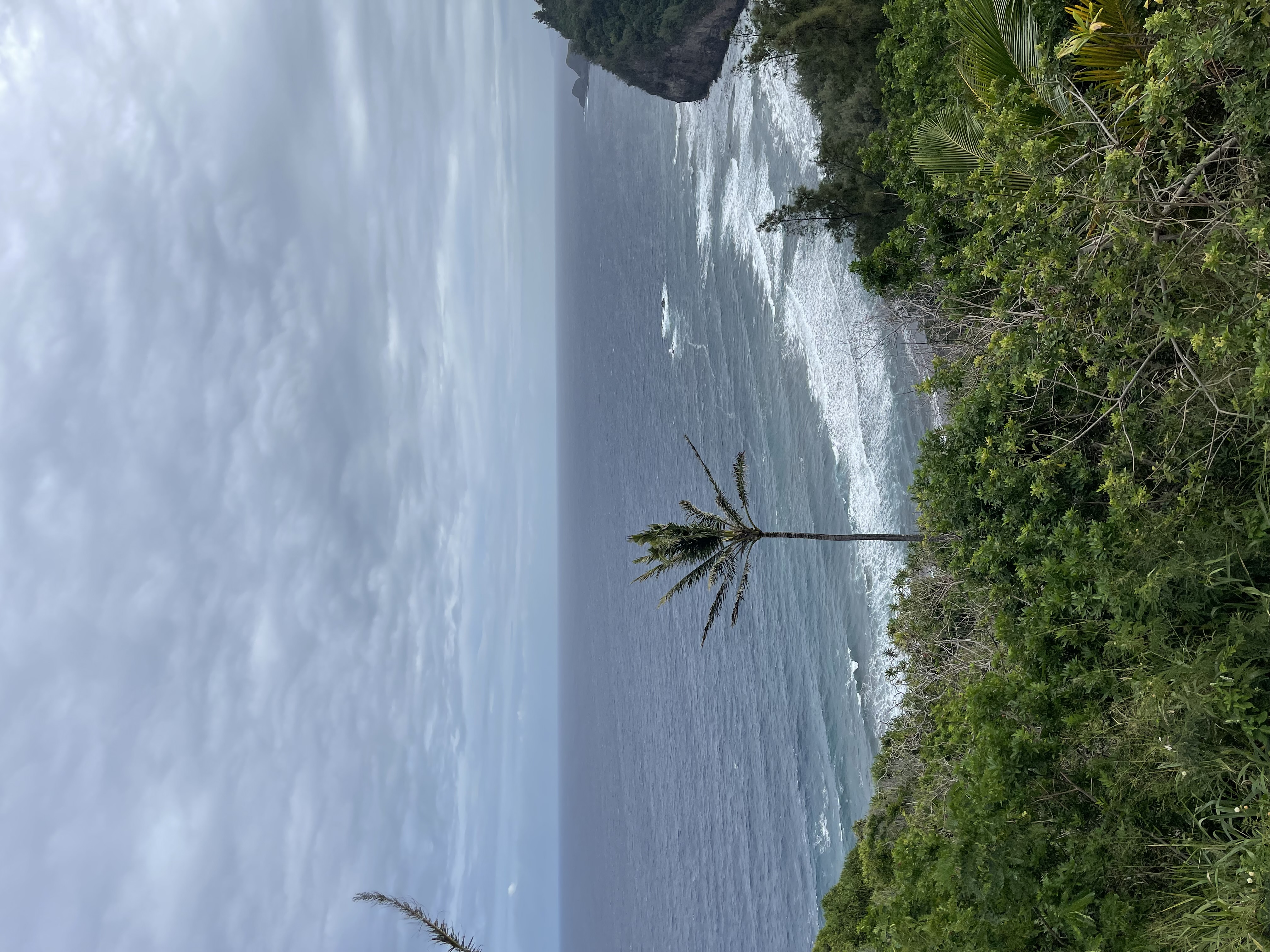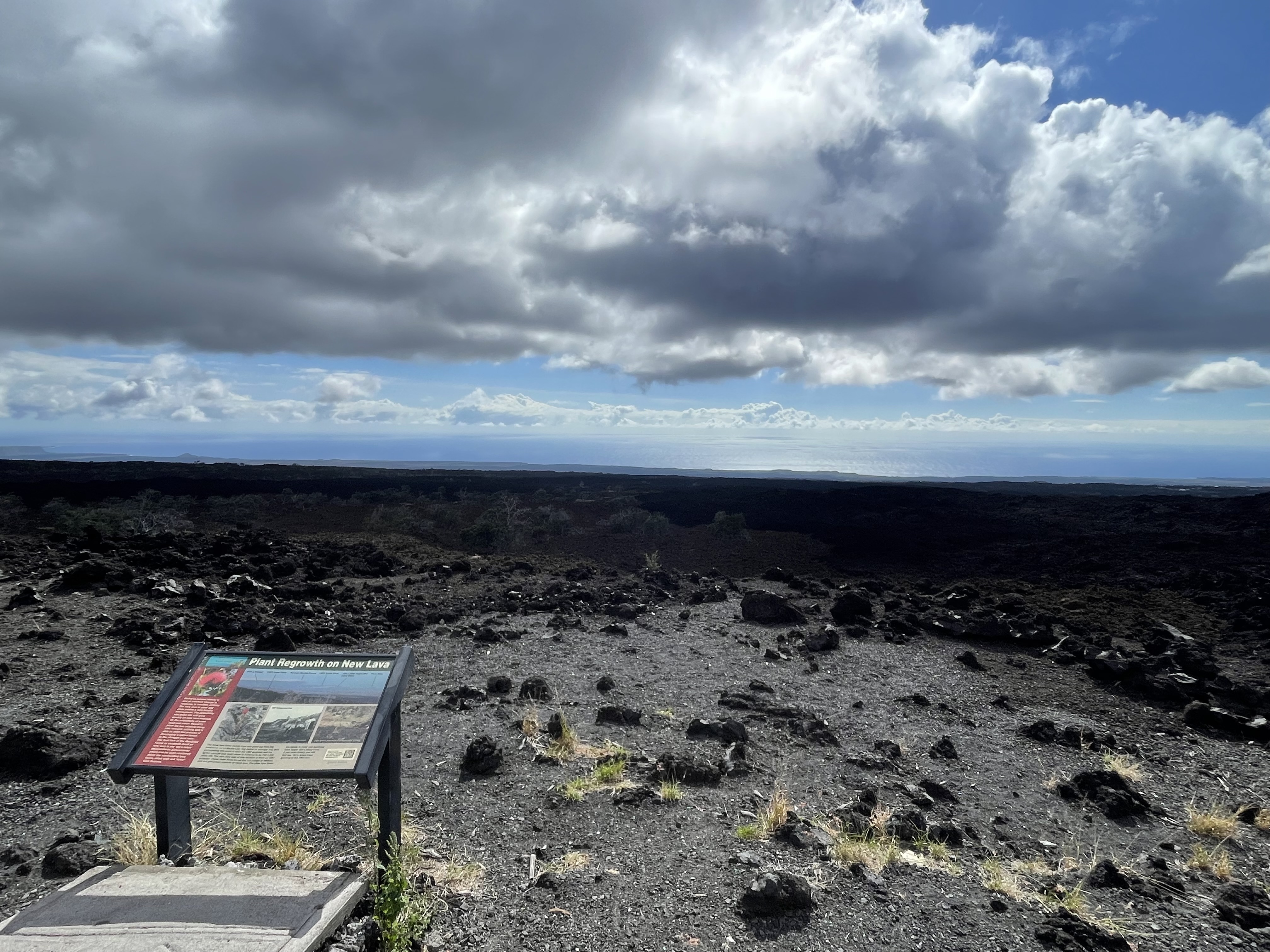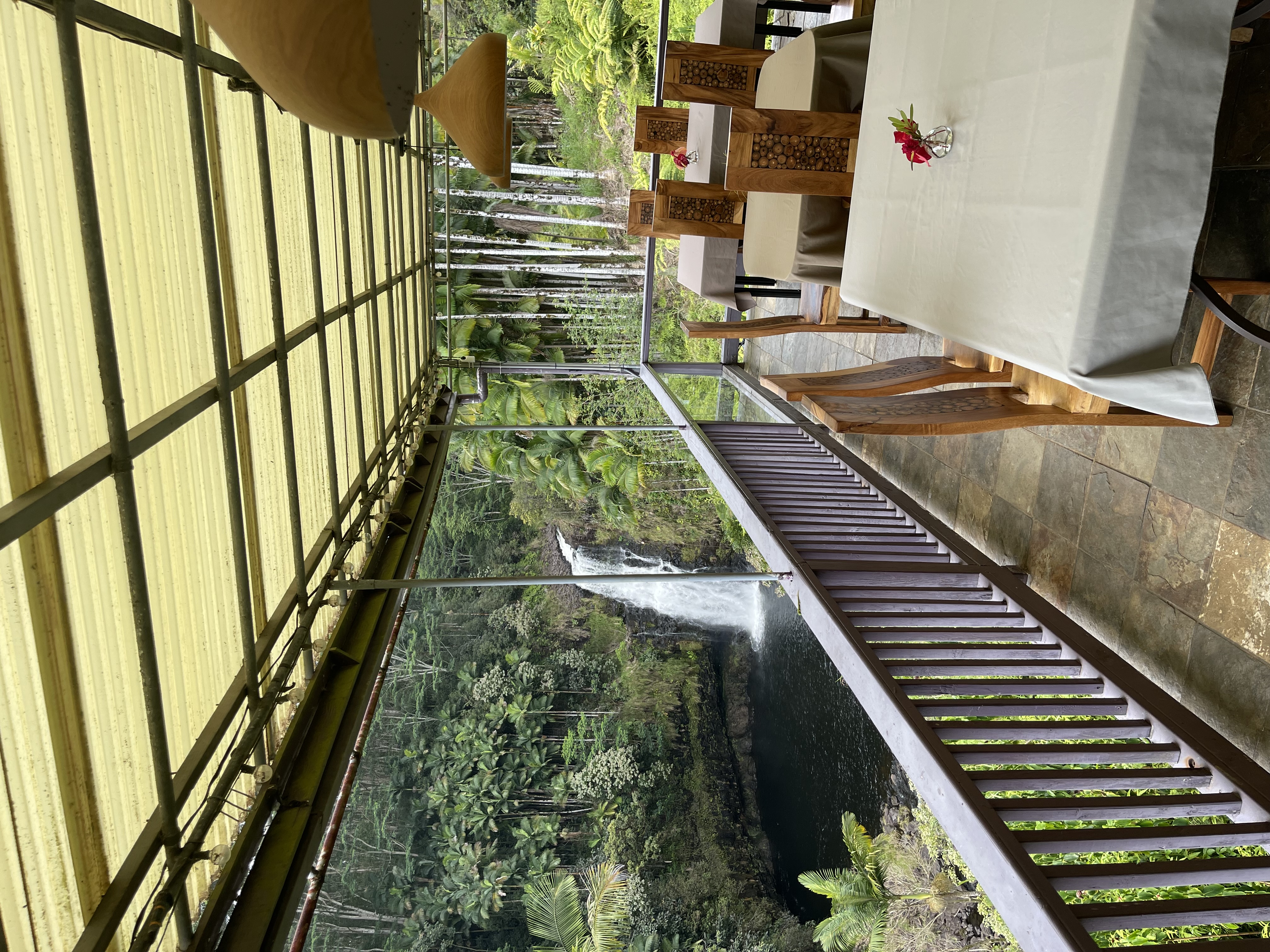
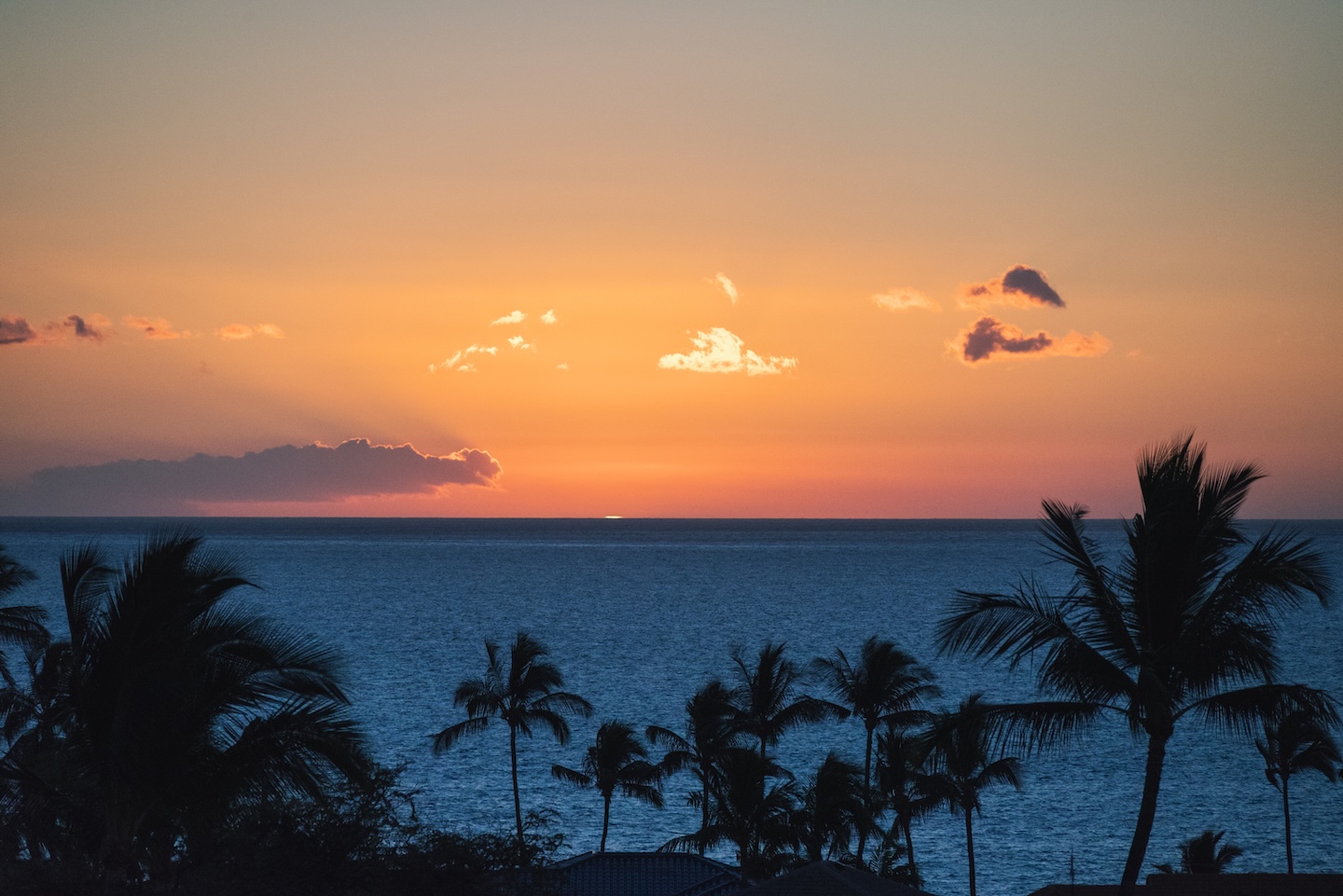
The Big Island has the most varied climate of any Hawaiian island. It has eight of the world's fourteen climate zones, two summits over 13,000 feet, a desert side, and a rainforest side. The good news is that picking the right month is straightforward once you know what to filter for: weather, whales, crowds, price, and volcano activity. This guide breaks down each.
The short answer
For most travelers, late April through mid-May and September through early October are the best windows of the year. You get reliable trade winds, dry weather on the Kona side, calm ocean conditions, and a notable drop in resort pricing and crowds versus summer and winter holidays.
If whale watching is non-negotiable, the right window is mid-January through mid-March. You trade slightly higher pricing and bigger north swells for some of the best humpback viewing on the planet.
Weather by season
Hawaii only has two real seasons: summer (May to October) and winter (November to April). On the Big Island, the difference is mostly about rainfall on the windward side and ocean conditions on the leeward side.
- Summer (May to October): Daytime highs 82 to 88°F on the coast, drier overall, calmer ocean on the Kona side, smaller north swells. Trade winds are steady. Best snorkeling, best beach days.
- Winter (November to April): Daytime highs 78 to 83°F on the coast, wetter on the Hilo side, larger north and west swells that can close some beaches. Whale season. Cooler nights at elevation, snow on Mauna Kea is possible.
Microclimates matter more than the calendar. Kona can be sunny and 84°F while Hilo, 90 miles away, is in a steady drizzle at 74°F. Volcano Village, at 4,000 feet, can be in the 50s with wind-driven mist. Always pack layers regardless of the month.
Month-by-month breakdown
January
Peak whale season is underway. Weather is mild and Kona stays mostly dry. The first two weeks are quieter and cheaper than the holiday rush, then pricing dips again after January 7. North swells can be large. Resort rates are still elevated versus shoulder season but reasonable mid-month.
February
Statistically the best whale-watching month of the year. Cool, comfortable temperatures. Rain is possible on the Hilo side but Kona stays usable. A strong month for honeymoons and romance trips with cooler evenings and dramatic sunsets.
March
Whales are still active through mid-month. Spring break drives a price and crowd spike in the second half of March, especially the last two weeks. If you can travel before March 10, you get whales without the spring-break surcharge.
April
One of the best overall months. Weather is reliable, whales are tapering off, crowds thin out after the first week, and pricing drops. Late April is one of the two best value windows of the year. Easter week is the exception and prices up sharply.
May
The single best value month in many years. Excellent weather, calm ocean, low crowds, and pre-summer pricing. Lei Day (May 1) and a quiet Mother's Day weekend are the only minor bumps. Snorkeling conditions on the Kona side are at their best.
June
Summer pricing and crowds begin around mid-June as school lets out. Early June is still shoulder pricing with summer weather, which makes the first two weeks a strong value pocket. Beaches are excellent, water is warm (around 78°F).
July
Peak summer. Hottest month, busiest beaches, highest resort rates outside of December. Book accommodations and tours four to six months in advance. Weather is excellent but expect crowds at all the headline stops.
August
Similar to July through mid-month. Crowds start to ease in the final week as mainland schools restart. Water is warmest of the year. Hurricane season is technically underway but direct impacts to Hawaii are rare.
September
The other top value month alongside May. Summer weather continues, crowds drop sharply after Labor Day, and resort rates fall 25 to 40 percent. One of the best months for an unhurried first visit. Hurricane risk is slightly elevated but historically minor.
October
Excellent through mid-month. Weather is still summer-like, prices stay low, and snorkeling is reliable. Trade winds can ease late in the month and humidity rises a bit. Halloween week sees a small bump in family travel.
November
Shoulder season with rising rain on the Hilo side. Thanksgiving week prices up sharply. The first three weeks are quiet, reasonably priced, and the first humpback whales start to arrive late in the month.
December
Two different months. December 1 to 18 is mild, mostly dry on the Kona side, and offers good shoulder pricing. December 19 to 31 is one of the most expensive and crowded windows of the year, with resort rates often double the shoulder rate. Whales are arriving and visible by month-end.
Whale season
The North Pacific humpback population winters in Hawaiian waters to mate and give birth. Roughly 10,000 to 12,000 whales make the trip each year. On the Big Island, the Kona and Kohala coasts offer some of the best viewing in the state because of the deep, sheltered waters just off shore.
- Mid-December to early January: First arrivals, sightings increasing weekly.
- Mid-January through mid-March: Peak. Sightings daily from shore on the Kohala coast. Boat-based tours run multiple times per day.
- Late March to early April: Tapering. Still good viewing, particularly mothers with calves.
- April 15 onward: Most whales have left for Alaska.
Crowds and pricing
The Big Island has three pricing tiers that drive everything else:
- Peak: December 19 to January 3, mid-June to mid-August, spring break weeks. Resort rates can run $700 to $1,500+ per night at the Kohala resorts.
- Mid: Most of January through March, October through mid-November. Rates typically $450 to $900 per night at the same properties.
- Value: Late April to mid-May, early September, early November, first two weeks of December. Same resorts at $350 to $700.
Tour pricing on the Big Island is more stable. Private chauffeured tours are priced per vehicle rather than per person, and rates do not swing seasonally the way hotels and rental cars do. Booking lead time is what changes: peak weeks need four to six months of lead, value weeks often work with two to four weeks of notice.
Best time to see the volcano
Volcanic activity does not follow a season. Kīlauea has had eruptive episodes in every month of the year, and pauses can happen at any time. The right question is not when to visit for the volcano, it is whether Kīlauea is currently erupting at all.
A few seasonal notes that do matter at the park:
- Volcano Village sits at 4,000 feet and can be in the 50s with rain and wind even in summer. Always bring a layer and a rain shell.
- Winter sees more cloud cover at the summit, which can obscure the Halemaʻumaʻu glow on some nights.
- Summer offers longer daylight, giving you more time inside the park before sunset.
- Vog (volcanic fog) can affect Kona-side air quality when trade winds slacken, regardless of season.
Before any trip planned around lava viewing, check the current Kīlauea status and time your day to be in the park around dusk.
The worst time to visit
There is no truly bad time to be on the Big Island, but there are clearly worse value windows.
- December 19 through January 2. Highest prices of the year, biggest crowds, hardest to book. Avoid unless you specifically need the holiday week.
- Spring break (mid-March to early April). Two-week price spike with the same conditions you would get in May for less money.
- Mid-July. Hot, crowded, and expensive. Still a beautiful trip, but you pay a premium for conditions that are slightly better than May or September.
Best overall windows
If you are starting from a blank calendar, these are the three windows we recommend most often:
- Late April to mid-May. Best overall value, excellent weather, low crowds, full snorkel and beach access.
- Early September to early October. Identical conditions to May, slightly warmer water, lowest crowds of the year after Labor Day.
- Late January to early March. If whales matter. Trade the slight cost premium and bigger north swells for the best humpback viewing in the Pacific.
Whichever window you choose, the Big Island rewards travelers who give it time. Three nights is the floor. Five to seven nights lets you see both sides, do the volcano right, and still leave with room to come back.