
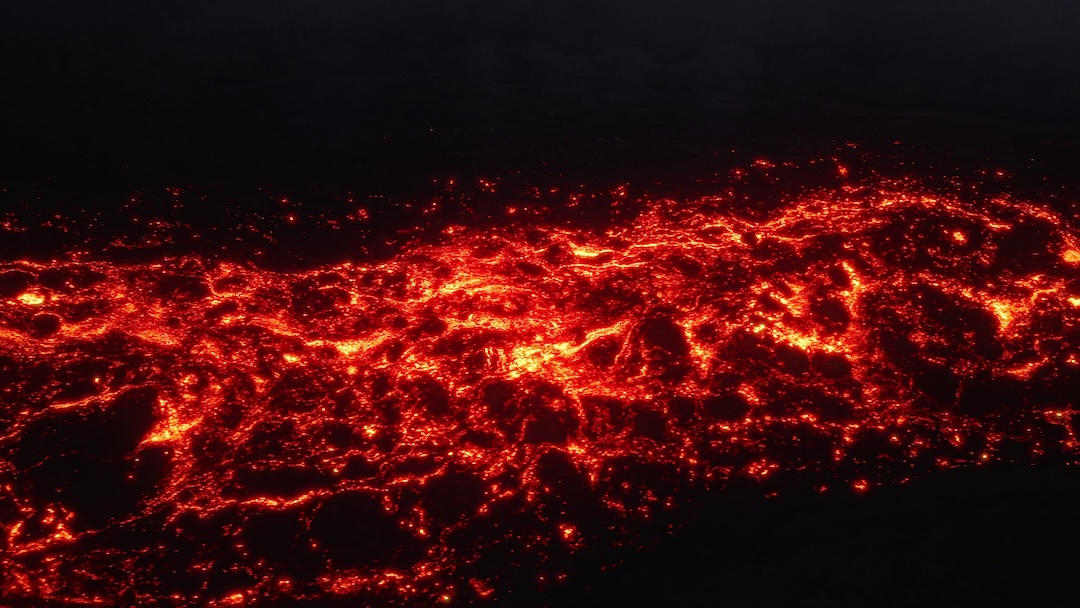
Witnessing an active volcano is a singular, primal experience. If you’re wondering how to see lava on the Big Island, the answer lies within Hawaiʻi Volcanoes National Park, at the summit of Kīlauea. When erupting, lava is almost always contained within Halemaʻumaʻu crater, making for dramatic but distant viewing from the caldera rim.
This is not a drive-up lava flow of years past. Viewing requires preparation, an understanding of the landscape, and a bit of luck. Eruptions are episodic, so confirming the volcano's status is the crucial first step. From there, knowing where and when to go determines the quality of your experience.
Kīlauea: Is Lava Flowing Now?
The first thing to understand about Kīlauea is that its eruptive state is dynamic. It can pause for weeks or months, then restart with little notice. Before you make any plans, your first action should be to check the current status with the official source: the U.S. Geological Survey (USGS) Hawaiian Volcano Observatory.
Their website provides daily updates, live webcams, and hazard information. This is the ground truth for volcanic activity. For an accessible overview, our own guide to Kīlauea's eruption status consolidates this information for travelers. An eruption 'status' doesn't always guarantee visible surface lava. Often, the most dramatic views are in the first few days or weeks of a new eruptive phase.
All current viewing opportunities are focused on the summit caldera. There is no active lava flowing to the ocean, and no public access to any surface flows outside the park.
Where to Go: The Best Legal Viewing Locations
Assuming Kīlauea is active, all viewing takes place from the rim of the Kīlauea caldera inside Hawaiʻi Volcanoes National Park. The lava lake is deep inside Halemaʻumaʻu crater, meaning you'll be observing from a significant and safe distance. Binoculars are highly recommended for a closer look at the fountaining and surface activity.
Here are the primary viewing areas, accessible from Crater Rim Drive:
Uēkahuna Overlook
This is the main, most popular, and often most crowded viewing area. Located on the western rim of the caldera, just north of the old Jaggar Museum site, Uēkahuna offers a commanding, panoramic view directly into the crater. The parking lot is notoriously congested, especially from sunset onward. Arrive very early for sunset or consider visiting late at night (after 9:00 PM) for a slightly less crowded experience.
Kīlauea Overlook
Located just off Crater Rim Drive near the Volcano House hotel, this classic viewpoint provides a wide perspective of the entire caldera. While the direct line of sight into the most active part of Halemaʻumaʻu can be slightly more obscured than from Uēkahuna, it’s an excellent spot to appreciate the sheer scale of the landscape. It’s also easily accessible, making it a good first or last stop.
Keanakākoʻi Crater Overlook & Devastation Trail
For a more rewarding view that requires some effort, consider the walk to Keanakākoʻi Crater. Park at the Devastation Trail parking lot and walk approximately one mile east on the paved, closed section of Crater Rim Drive. This path leads to an overlook that often provides a more direct and less obstructed angle into the active lava lake. The walk is relatively flat, but it's through an unlit area, so flashlights or headlamps are mandatory after dark.
When to Go: Day vs. Night Viewing
Your experience will differ dramatically depending on the time of day.
-
Daytime Viewing: During the day, you will not see the iconic red-orange glow. Instead, you'll witness the massive gas and steam plume, the stark, lunar-like landscape of the caldera floor, and the geologic context of the eruption. Daytime is the best time to understand the scale of the volcano and explore other park features without the intense crowds.
-
Nighttime Viewing: This is when the magic happens. After the sun sets, the incandescent glow from the lava lake becomes visible, painting the plume and clouds above with a dramatic, fiery light. This is what draws the crowds. The best viewing begins about 30 minutes after sunset. Be prepared for a significant drop in temperature and a major increase in visitor numbers.
For the ultimate experience, consider visiting in the late afternoon to see the landscape in daylight, staying through sunset to watch the glow emerge. This gives you the full context of the power you're witnessing.
What to Expect: Logistics & Preparation
Visiting a 4,000-foot-high active volcano requires planning.
- Park Fees: Entry to Hawaiʻi Volcanoes National Park costs $30 per vehicle and is valid for seven days. Credit cards are preferred.
- Weather: The summit is at 4,000 ft (1,219 m) elevation. It is often windy, rainy, and cold, especially at night. Temperatures can be 20°F or more below what you experience at the coast. Dress in warm layers, bring a rain jacket, and wear sturdy, closed-toe shoes.
- Crowds & Parking: Expect significant crowds and limited parking at all overlooks during an eruption, particularly from 5:00 PM to 9:00 PM. Patience is essential. Do not engage in 'creative' parking; rangers will issue tickets.
- Volcanic Fumes (Vog): The eruption releases sulfur dioxide and other gases, creating volcanic smog (vog). On most days, trade winds push the plume to the southwest, away from the primary viewing areas. However, visitors with respiratory conditions, young children, or pregnant women should be aware of the potential for poor air quality and check the NPS air quality alerts.
- Essentials to Bring:
- Water and snacks
- Warm layers and a waterproof jacket
- Closed-toe walking shoes
- Binoculars for a much-improved view
- A powerful flashlight or headlamp (red light settings are best for preserving night vision)
- A fully charged camera and phone
Beyond The Glow: The Full Volcano Experience
While the lava is the main draw, don't miss the rest of this incredible UNESCO World Heritage Site. Use your park pass to explore further. Drive the stunning Chain of Craters Road down to the coast, a 38-mile round trip that descends 3,700 feet. Walk through Nāhuku (Thurston Lava Tube) to see the ancient plumbing of the volcano. Hike the Kīlauea Iki trail across the floor of a solidified lava lake from a past eruption.
Seeing the active eruption is one part of the story. Understanding the landscape it has created over millennia is what makes a visit truly unforgettable.
For those seeking an entirely seamless and elevated experience—without the logistical challenges of night driving, parking, or navigating in the dark—our private Kīlauea volcano tour is designed to immerse you in the landscape with expert guidance and absolute comfort. We handle every detail so you can focus on the spectacle. You can also contact our team directly at +1 (808) 204-4745 to discuss a custom volcano itinerary.
The High-End Hawaii Take
Seeing active lava is a profound experience, but navigating the logistics in a popular national park can detract from the moment. The key to a successful visit is preparation and perspective. Arrive with the right gear, a full tank of gas, and the patience to handle crowds. And remember that the glow is just one part of a vast, living landscape waiting to be explored.