
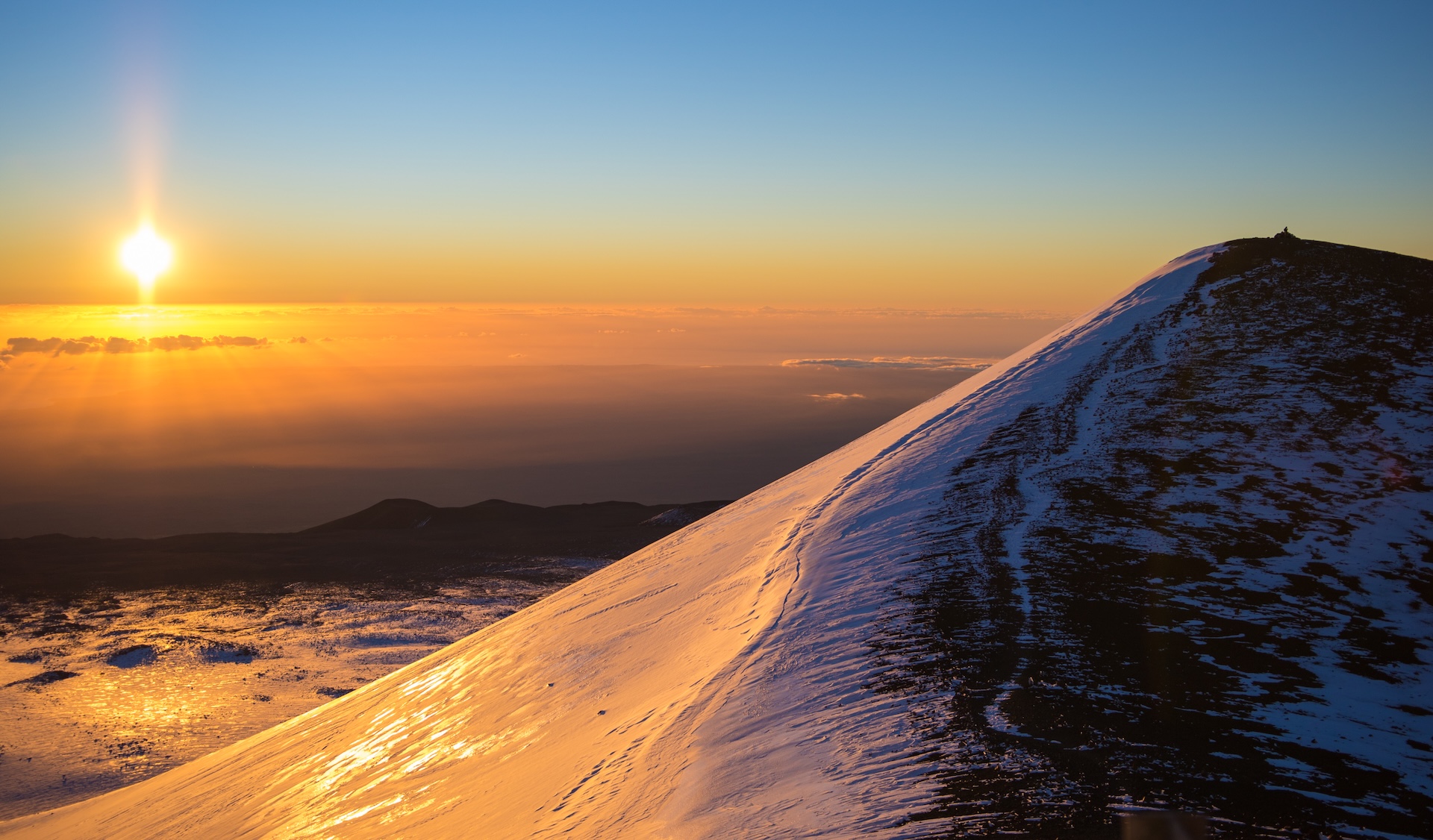
Visiting Mauna Kea means preparing for four seasons in a single day. At sea level, Kailua-Kona might bask in 80°F sunshine, but by the time you reach the summit at 13,803 feet, temperatures can easily dip below freezing, exacerbated by strong winds and a significantly reduced oxygen level. This isn't just about comfort; it's about safety. Layering effectively is the single most important strategy for enjoying this unparalleled experience.
Our guide to what to wear on Mauna Kea focuses on practical, high-performance apparel designed to insulate, protect, and adapt as you climb. Forget flip-flops and shorts; think expedition-grade gear.
The Core Principle: Strategic Layering
The key to dressing for Mauna Kea is the three-layer system: a wicking base layer, an insulating mid-layer, and a protective outer shell. This system allows you to add or remove clothing as conditions change, ensuring you stay dry, warm, and protected from the elements.
1. The Base Layer: Moisture Management is Paramount
Your first layer, worn directly against the skin, is crucial for managing perspiration. Even in cold weather, exertion can lead to sweating, and wet clothing rapidly zaps body heat. Opt for materials that wick moisture away from your skin, keeping you dry.
- Recommended Materials: Merino wool (excellent warmth-to-weight ratio, odor-resistant) or synthetic fabrics like polyester and polypropylene. Avoid cotton at all costs; it absorbs moisture and dries slowly, chilling you.
- Fit: Snug, but not constricting, to maximize wicking efficiency.
2. The Mid-Layer: Insulation for Arctic Conditions
This is your primary source of warmth. The mid-layer traps body heat, providing insulation against the biting cold at high altitudes. Consider wearing multiple mid-layers if temperatures are expected to be particularly severe.
- Recommended Materials: Fleece (polyester) or down-filled jackets. Fleece is versatile and performs well even when damp. Down offers superior warmth for its weight but loses insulating properties if it gets wet. Consider a synthetic puffy jacket as a good compromise.
- Weight: Medium to heavy-weight fleece or a substantial down/synthetic insulating jacket.
3. The Outer Layer: Your Shield Against the Elements
The outermost layer provides protection from wind, rain, and snow. Mauna Kea's summit can experience formidable winds, and while precipitation is less common at the very top, a sudden shower isn't impossible. A good outer shell is both windproof and water-resistant (ideally waterproof).
- Recommended Materials: GORE-TEX or similar proprietary waterproof/breathable fabrics. Look for jackets with sealed seams and adjustable hoods.
- Features: A high collar, adjustable cuffs, and a hood that can accommodate a hat significantly enhance protection.
Essential Extremities: Head, Hands, and Feet
These areas are particularly vulnerable to heat loss and frostbite, especially when the wind whips across the summit and caldera. Neglecting them will quickly diminish your comfort.
Headwear
- Warm Hat: A wool or fleece beanie that covers your ears is non-negotiable. Roughly 10% of body heat can be lost through an uncovered head.
- Optional Balaclava or Neck Gaiter: For extreme wind and cold, these provide crucial protection for your face and neck.
Handwear
- Gloves or Mittens: Insulated, windproof, and water-resistant gloves or mittens are essential. Mittens generally offer more warmth than gloves as fingers share warmth.
Footwear
- Warm, Waterproof Hiking Boots: Sturdy, closed-toe boots with good ankle support are ideal. Ensure they are waterproof to protect against any unexpected moisture or slush.
- Wool Socks: Thick, thermal wool or synthetic hiking socks (not cotton) are critical for keeping your feet warm and dry. Consider bringing an extra pair.
Additional Gear for Comfort and Safety
Beyond clothing, a few other items will significantly enhance your Mauna Kea experience.
- Sun Protection: Even at cold temperatures, the sun's intensity at nearly 14,000 feet is extreme due to thinner atmosphere. UV radiation is significantly higher. Pack high-SPF sunscreen, sunglasses (polarized are best), and perhaps a wide-brimmed hat for the beginning of your journey.
- Water: Staying hydrated is vital at altitude. Bring plenty of water – at least 1-2 liters per person. Avoid sugary drinks.
- Snacks: High-energy snacks like granola bars, nuts, or dried fruit can help maintain energy levels.
- Personal Medications: If you have any altitude sensitivities or medical conditions, ensure you have necessary medications readily accessible.
- Camera Gear Protection: Batteries drain faster in the cold. Keep spare batteries warm in an inner pocket. Protect camera bodies from wind and moisture.
Considerations for Children
While we do not take children under 13 to the summit due to altitude concerns, for those visiting the Onizuka Center for International Astronomy (Visitor Information Station (VIS) at 9,200 feet), children require even more vigilant layering. They lose heat faster and are less able to communicate discomfort. Ensure they have all the layers described above, with an emphasis on waterproof outer shells and warm hats and gloves.
High-End Hawaii Preparation
When you embark on a private Mauna Kea tour with High-End Hawaii, our vehicles are equipped with emergency blankets, extra warm layers, and hot beverages to supplement your personal preparations. We prioritize your comfort and safety, guiding you through every step of this rare journey to the top of the world's tallest mountain from its base, ensuring you have the correct gear recommendations for the unique conditions presented at altitude. For a deeper dive into planning your visit, read our comprehensive [/guides/mauna-kea-guide].
The High-End Hawaii take
Mauna Kea is a powerful, humbling place where Earth meets sky. The air is thin, the wind keen, and the views unparalleled. Approaching the summit unprepared means missing its true magnificence. Dress strategically, layers in place, and you will find yourself fully immersed in the extraordinary spectacle awaiting you. It's not just a view; it's an experience demanding respect and preparation, ensuring your focus remains on the wondrous, not the cold.
Keep going