
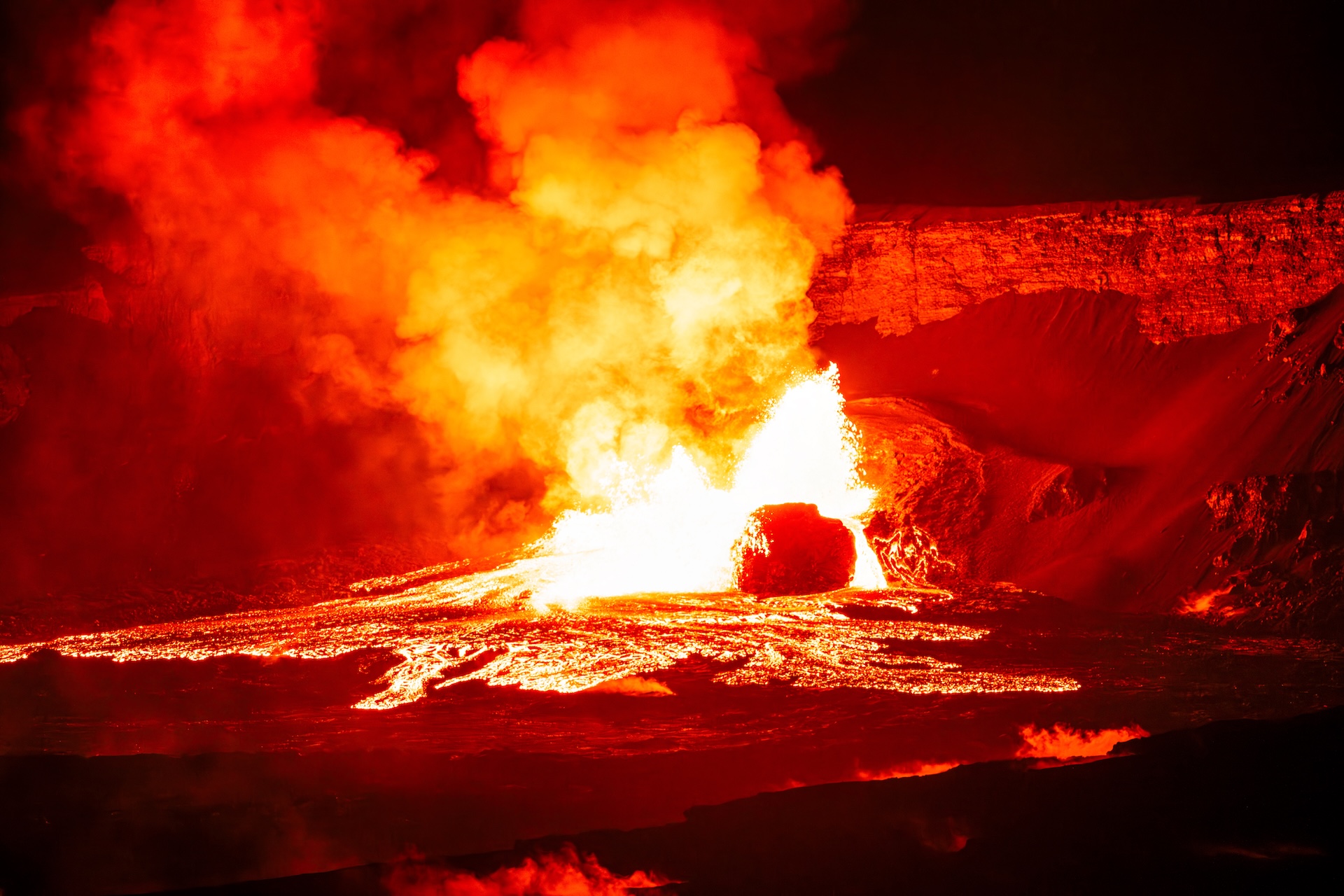
Preparing for a visit to Hawaiʻi Volcanoes National Park means anticipating a spectrum of conditions. The park spans from sea level to the 13,678-foot summit of Mauna Loa, encompassing multiple climate zones. Packing appropriately isn't just about comfort; it's about making the most of every moment, from the steam vents of Kīlauea to the coastal bluffs.
The key is layers, versatility, and protection against the elements. You'll encounter everything from warm, humid rainforests to cool, windy caldera overlooks, and possibly even chilly, misty rain. With the right gear, you're ready for any adventure.
Understanding the Park's Microclimates
Hawaiʻi Volcanoes National Park is a land of extremes. The Kīlauea summit area, around 4,000 feet elevation, is often cool and damp with temperatures ranging from the low 50s to mid-70s Fahrenheit. However, as you descend the Chain of Craters Road to the coast, temperatures rise significantly, often into the 80s, with sunnier, drier conditions. Even within a short driving distance, conditions can shift dramatically.
Summit Elevations (Kīlauea): Cool and Misty
Around the Kīlauea Visitor Center, Jaggar Museum (currently closed but the overlook remains a prime viewing spot), and the Kīlauea Overlook, expect cooler temperatures, particularly in the mornings and evenings. Fog and light rain are common, even during otherwise sunny days elsewhere on the island. The elevation and prevailing trade winds contribute to this unique environment.
Coastal Areas (Hōlei Sea Arch): Warm and Sunny
At the terminus of Chain of Craters Road, near the Hōlei Sea Arch, conditions are typically much warmer and sunnier. This area feels like a distinct climate zone, often providing a stark contrast to the cooler summit. Here, the sun's intensity is more pronounced, and the wind can still be strong.
Essential Clothing: The Layering Strategy
Layering is the cornerstone of comfort in Hawaiʻi Volcanoes National Park. Start with a moisture-wicking base, add insulating layers, and top with protective outerwear.
- Moisture-Wicking Base Layer: Choose synthetic fabrics or merino wool for t-shirts. Cotton holds moisture, which can make you feel cold and uncomfortable when wet.
- Insulating Mid-Layer: A fleece jacket or a light sweater is ideal for warmth, especially valuable at higher elevations or after sunset if you're viewing the caldera glow.
- Waterproof and Windproof Outer Shell: A lightweight rain jacket is non-negotiable. It protects against sudden showers prevalent around the Kīlauea caldera and provides a crucial barrier against the strong winds that sweep across exposed lava fields and overlooks.
- Long Pants or Convertible Trousers: Protect your legs from sun, abrasive lava rock, and mosquitos (especially in forested areas like Thurston Lava Tube). Convertible pants offer flexibility for warmer coastal sections.
- Shorts: While long pants are generally recommended, if you plan to spend significant time only in the hotter coastal areas, shorts are acceptable. However, consider the sun exposure and potential for scrapes on uneven terrain.
Footwear: Your Most Important Decision
Proper footwear is paramount for safely exploring the park's diverse terrain.
- Sturdy, Closed-Toe Hiking Shoes: Opt for shoes with good ankle support and robust, grippy soles. Trails range from paved paths to uneven, fractured lava flows. Sneakers can be adequate for short, paved walks, but for any serious hiking, proper hiking boots or shoes are essential.
- Socks: Choose moisture-wicking hiking socks made from wool or synthetic materials to prevent blisters and manage moisture.
Accessories for Comfort and Safety
Don't underestimate the impact of these smaller items on your overall experience.
- Hat: A wide-brimmed hat provides excellent sun protection, particularly crucial in open areas. A beanie or warm hat can be useful for chilly evenings at the summit.
- Sunglasses: Essential for protecting your eyes from the bright tropical sun and glare off dark lava surfaces.
- Sunscreen: High-SPF, reef-safe sunscreen is a must, even on cloudy days. The UV index on the Big Island can be very high.
- Daypack: A small backpack to carry water, snacks, extra layers, a camera, and any personal items.
- Water Bottle/Hydration Pack: Staying hydrated is critical, especially when walking across exposed lava. There are very few places to purchase water inside the park beyond the Kīlauea Visitor Center.
- Insect Repellent: Particularly if you plan to explore the rainforest sections or visit in the evenings.
What to Avoid
- Flip-flops or Sandals: Completely unsuitable for the uneven, sharp lava rock and varying trail conditions. Reserve these for the beach.
- Cotton-heavy clothing: As mentioned, cotton retains moisture and can make you feel cold and damp.
- Fragile or delicate fabrics: The Big Island's rugged beauty demands practical attire. Save your fine silks for dinner.
Packing for Your High-End Hawaii Tour
With High-End Hawaii, your private tour vehicle serves as an excellent base for storing extra layers and changing as conditions dictate. Our experienced guides ensure you're always comfortable and prepared for each stop, from the Devastation Trail to the Pu'u Loa Petroglyphs. We carry iced water and snacks, but a personal water bottle is always a good idea.
Planning a visit to this iconic national park? Consider a private tour of Hawaiʻi Volcanoes National Park with High-End Hawaii. Our expert guides navigate the park's intricacies, allowing you to focus purely on the unparalleled experience.
The High-End Hawaii Take
Hawaiʻi Volcanoes National Park demands respect for its dynamic environment and rewards preparedness with unforgettable moments. Dressing smartly—with layers, sturdy footwear, and sun protection—ensures comfort across its diverse landscapes. Our discerning guests appreciate the effortless transition through these microclimates, knowing every detail is managed for a truly immersive and awe-inspiring experience. LESS CROWD. MORE WOW.
Keep going