
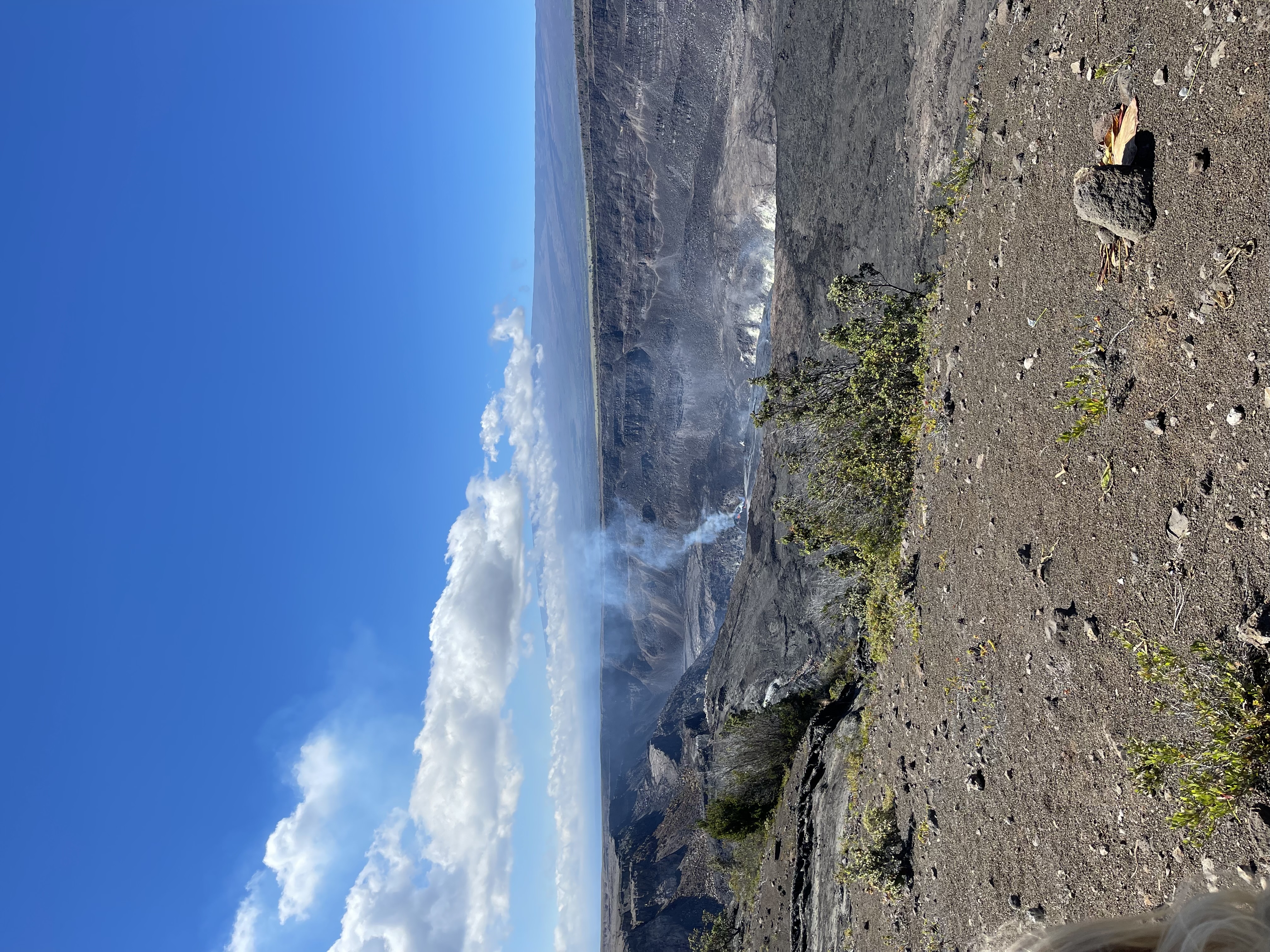
Seeing lava on the Big Island in 2026 means one specific thing: visiting Hawaiʻi Volcanoes National Park during an active Kīlauea summit eruption. There is no roadside lava in residential areas and no current ocean entry. What there is, when the volcano is on, is one of the most reliable after-dark lava viewing experiences anywhere on Earth, from designated overlooks the National Park Service keeps open for visitors.
Is lava visible right now?
The banner above pulls the latest USGS Hawaiian Volcano Observatory status. If Kīlauea is in an active eruptive phase, surface lava is typically visible from at least one summit overlook after dark. If the status reads pause or normal background, the caldera is still worth visiting for steam vents, recent flow fields, and lava tubes, but you will not see flowing lava.
Where to look for active lava
All currently observable surface lava is inside Halemaʻumaʻu crater at Kīlauea's summit. The overlooks that consistently produce the best views during a summit eruption are:
- Kīlauea Overlook: Closest west-rim view of Halemaʻumaʻu. Often the strongest after-dark glow.
- Wahinekapu (Steaming Bluff): Short walk from the parking area for a wider angle on the caldera.
- Keanakākoʻi Overlook: About a 1-mile round-trip walk on closed road, often the best south-side view of fountaining.
- Uēkahuna: The former Jaggar Museum site, highest summit-rim perspective.
Rangers reposition closures based on wind direction and gas concentrations, so the open overlook on any given night is not fixed. Always check the alerts board at the Kīlauea Visitor Center on arrival.
Best time of day to see the glow
Midday lava viewing is almost always disappointing. The orange glow gets washed out by daylight, and steam plumes can hide the lava lake itself. Plan to be at your chosen overlook 30 to 45 minutes before sunset, watch the light change as the sun drops, and stay through full darkness. From about an hour after sunset, the contrast between molten lava and the black caldera wall is at its strongest.
What to bring
- Warm layer. Summit elevation is about 4,000 feet and gets cold and windy after dark.
- Headlamp or flashlight. Park parking lots and trails are not lit.
- Water and a snack. There is no food service after sunset inside the park.
- Camera with manual exposure (or a phone with a Night mode). Tripods help.
- N95-style mask if you have respiratory sensitivity to volcanic gas.
Self drive vs private guide
Self-driving from Hilo is straightforward, around 45 minutes each way on Highway 11. From the Kona and Kohala resort coast, the round-trip runs about 5 hours of driving, much of it on dark, unfamiliar two-lane road after sunset, which is exactly when the volcano is most photogenic.
A private chauffeured day handles three things at once: a driver who knows the road, real-time intel on which overlooks are open, and the flexibility to stay through dusk without anyone watching the clock. Our Private Big Island Volcano Tour is built around this exact problem and priced per vehicle, not per person.